
What is a normal blood sugar level after eating?
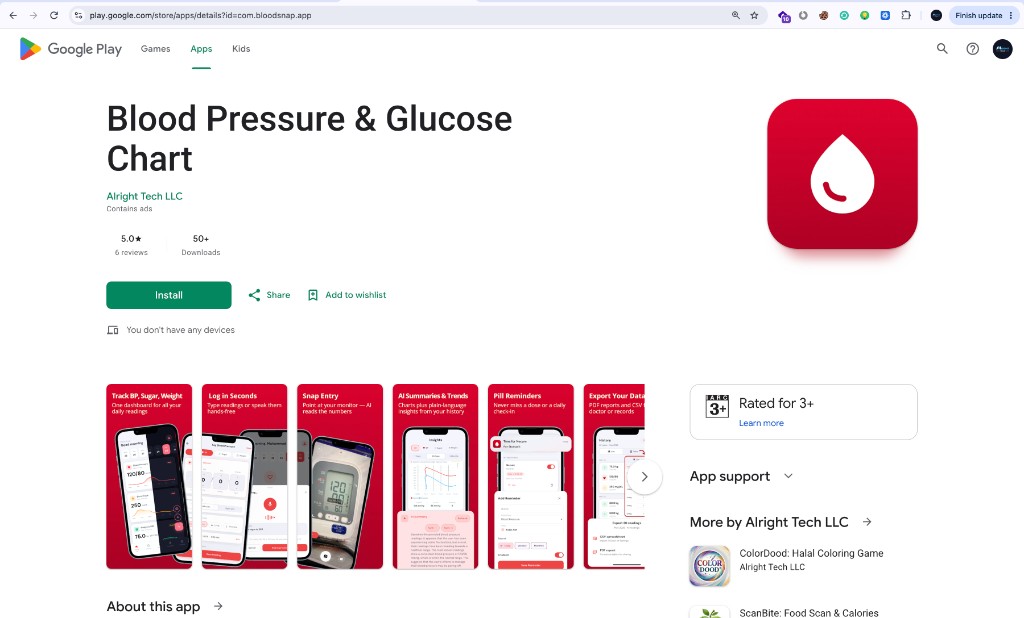
After you eat, blood sugar rises — that is expected. How high it goes, and how quickly it comes back down, is something to discuss with a clinician. Blood Snap lets you tag blood sugar after eating; it does not tell you whether a value is “normal.”
Post-meal glucose: published discussion ranges
Blood sugar typically peaks 1–2 hours after the start of a meal. For many adults without diabetes, published summaries describe values staying below about 140 mg/dL (7.8 mmol/L) and returning toward fasting over a few hours. These are not Blood Snap alerts.
| Timing | Often cited (mg/dL) | mmol/L |
|---|---|---|
| Fasting (before meal) | 70–99 | 3.9–5.5 |
| 2 hours after meal | commonly discussed <140 | <7.8 |
The American Diabetes Association describes individualized targets for people with diabetes; many care plans use a 2-hour post-meal discussion point near 180 mg/dL (10.0 mmol/L). Only your clinician sets your target.
When to check
If you are logging at home for the first time, many educators suggest checking 2 hours after the start of your largest meal for a week, then bringing the diary to your appointment. Follow your care team if you already have a protocol.
Log this in Blood Snap. Tag glucose as fasting or after meal (mmol/L or mg/dL). Export the log. The app does not interpret post-meal spikes.
Educational information with public guideline citations. Not medical advice and not a diagnosis. Blood Snap is a personal wellness diary — not a medical device, blood pressure machine, glucometer, or CGM. Always follow your clinician's advice.