
Not all glucose readings are equal. A 7.2 mmol/L reading means something different at 7am before breakfast than it does two hours after dinner. Knowing when to check — and what each measurement is trying to tell you — makes the data far more useful.
Fasting glucose (morning, before eating)
This is the most standardised reading and the one most commonly used for diagnosis and medication adjustment. Check it first thing in the morning, before eating or drinking anything other than water, and before taking medication if your doctor hasn't specified otherwise.
What it tells you: how well your body manages overnight glucose production (hepatic glucose output). Consistently high fasting readings suggest your liver is producing too much glucose overnight — a common pattern in type 2 diabetes.
Target (for most people with T2D): 4.0–7.0 mmol/L (72–126 mg/dL).
Pre-meal glucose (before lunch or dinner)
Checking before a meal tells you your starting point. If it's already elevated, you know the post-meal spike will likely be higher. Over time, consistently high pre-meal readings suggest your medication timing or dose needs reviewing.
Post-meal glucose (1–2 hours after eating)
The most sensitive indicator of how your body handles carbohydrates. Check 2 hours after the start of your meal (not 2 hours after finishing). This gives you a consistent comparison point.
What it tells you: how high your glucose peaked after that meal. Useful for identifying which foods cause the largest spikes for you personally — individual responses vary more than most people expect.
Bedtime glucose
A bedtime reading (typically 10–11pm) tells you whether your glucose is stable enough for safe sleep and what trajectory you're on overnight. Very low bedtime readings can increase the risk of nocturnal hypoglycaemia.
Target (for most people with T2D): 6.0–10.0 mmol/L (108–180 mg/dL). Your care team may set a different target depending on your medication and history.
Middle of the night (3am)
Only relevant for specific situations — suspected nocturnal hypos, people on insulin, or unexplained high fasting readings (sometimes caused by the Somogyi effect: a rebound from overnight hypo). Not a routine check for most people.
You don't need to check at every time point every day. Pick the two that are most meaningful for your current situation and log them consistently for two weeks before your next appointment.
A practical starting point
If you're new to monitoring:
- Week 1–2: fasting only, same time each morning
- Week 3–4: add post-meal (2 hours after your largest meal)
- Ongoing: morning + evening, or as directed by your care team
This progression builds a useful baseline without overwhelming you with readings.
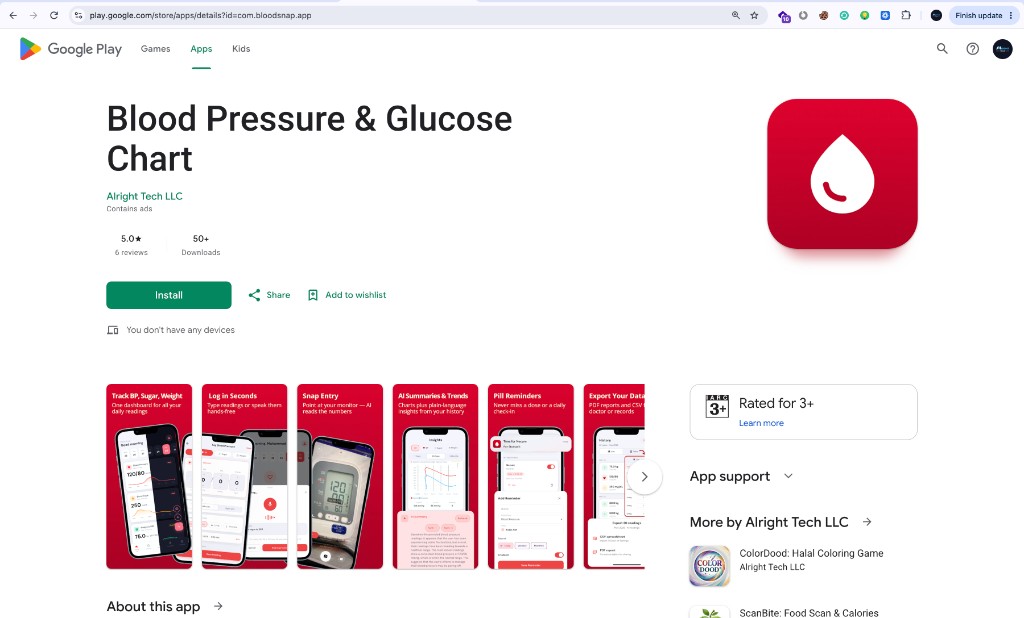
Track this in BloodSnap. Tag every reading with its context — fasting, post-meal, bedtime — and let the app separate the trends that matter.